Fall Green Roof Inspections: Why Maryland & Virginia Buildings Shouldn’t Skip Them
September 10, 2026
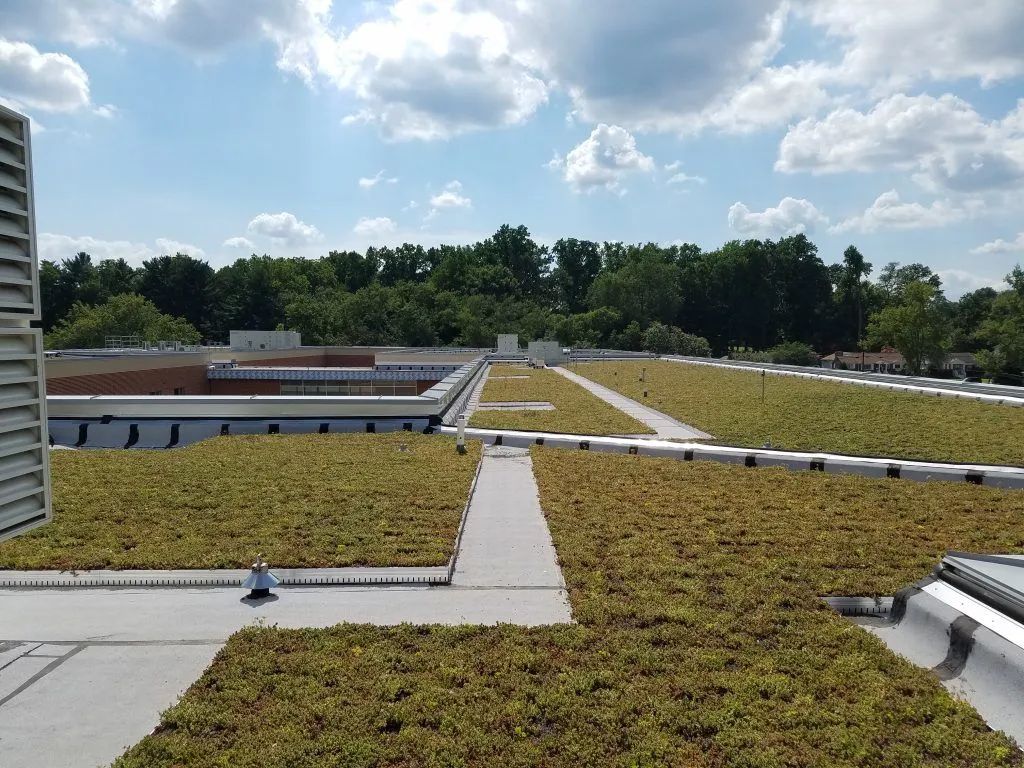
Quick Answer: A fall green roof inspection is the last chance to catch and fix problems while the roof is still easy to walk, plants are still readable rather than dormant, and irrigation lines can still be drained without freeze risk. In the DC, Maryland, and Northern Virginia region, the first widespread frost typically lands somewhere between mid-October and mid-November, based on NOAA climate-normal data compiled by University of Maryland Extension, so an inspection scheduled in September or early October leaves enough lead time to clear drains before leaf fall peaks, winterize irrigation, and address bare spots or erosion left over from summer storms. Skip that window, and a problem that would have been a quick fix in October turns into a spring remediation project instead, discovered only after months under snow, ice, and repeated freeze-thaw cycling.
You're standing on a rooftop terrace in Bethesda in late September, and the maple two buildings over hasn't dropped more than a handful of leaves yet. Look toward the drain in the shaded corner, though, and there's already a small drift of them building up against the gravel margin, damp from the morning dew and starting to mat down. Right now, clearing it is a five-minute job. In six weeks, once that same tree and a dozen others nearby have shed most of their canopy, it's a very different job, and it's one that gets harder to do carefully once the roof is wet, cold, and possibly icy.
That's the case for a fall inspection that's separate from anything done in spring or summer, and separate from a winter check as well. A winter visit is about monitoring a roof that's already dormant and possibly frozen. A fall inspection is about using the last stretch of workable weather to get the roof ready for that dormant period in the first place, and the two jobs aren't interchangeable.
Why a Fall Inspection Isn't the Same Job as a Winter Check
A green roof in December or January is largely locked in whatever condition it entered winter in. Growing media that's saturated and then freezes doesn't drain any better once it's frozen. A drain that's half-clogged with leaf litter under a few inches of snow can't be cleared without real effort and some risk to whoever's up there doing it. Irrigation lines that weren't drained before the first hard freeze may already be cracked by the time anyone notices.
Fall is the opposite kind of window. The roof is still fully accessible, the growing medium is still workable, and most problems are still visible rather than buried under snow or ice. A fall inspection is where a property manager, HOA board, or building owner gets to be proactive instead of reactive, addressing conditions before winter locks them in rather than discovering them once it's too late to do much except wait for spring.
Clearing Drains and Scuppers Before Peak Leaf Fall
Check drains and scuppers before the bulk of the leaf drop, not after
Deciduous trees around most Mid-Atlantic properties don't drop all at once. There's usually a window in late September and early October when leaf volume is still manageable, followed by a much heavier drop through October and into November. Clearing drainage points during that earlier window, and again once the bulk of the drop has happened, keeps ahead of the volume that would otherwise build up unattended over a period when nobody's checking the roof regularly.
Distinguish leaf litter from the organic debris a roof accumulates in summer
Summer buildup tends to be seed fluff, pollen, and spent flower material, thin enough to wash through a drain most of the time. Fall leaf litter is heavier, mats down when wet, and can form an actual dam across a drain opening or scupper within a few weeks if left unattended. A drainage layer that handled summer storms without issue can still back up under a season's worth of matted leaves.
Walk the full roof, not just the obvious low points
Wind-blown leaves collect in unexpected places, gravel margins, behind parapet walls, in corners that don't drain toward the nearest scupper. A visual check from the access door isn't enough to catch all of it.
Winterizing Irrigation on a Real Deadline, Not a Guess
Automated irrigation systems on a green roof need to be drained and secured before the first hard freeze, not sometime vaguely before winter. Given that this region's earliest frost dates can land in mid-October in a cooler-than-average year, waiting until Thanksgiving to think about irrigation winterization is cutting it closer than it looks on a calendar. A line that still has standing water in it when temperatures drop into the 20s can crack, and a cracked line often isn't discovered until the system is turned back on in spring, at which point the leak has already been doing damage for months.
Winterizing means more than shutting off the water. Lines need to be drained fully, exposed components need to be protected from wind and ice, and any above-media piping needs a check for wear that a season of UV exposure and thermal cycling may have caused. This is also the point to confirm that manual shutoff valves are actually accessible and labeled, since a valve nobody can find in January doesn't help anyone.
Tip: Schedule irrigation winterization as its own visit rather than folding it into a general fall walkthrough. Draining and securing a system properly takes focused attention, and treating it as an afterthought during a broader inspection is how a line gets missed.
Telling Normal Fall Dormancy From Real Plant Stress
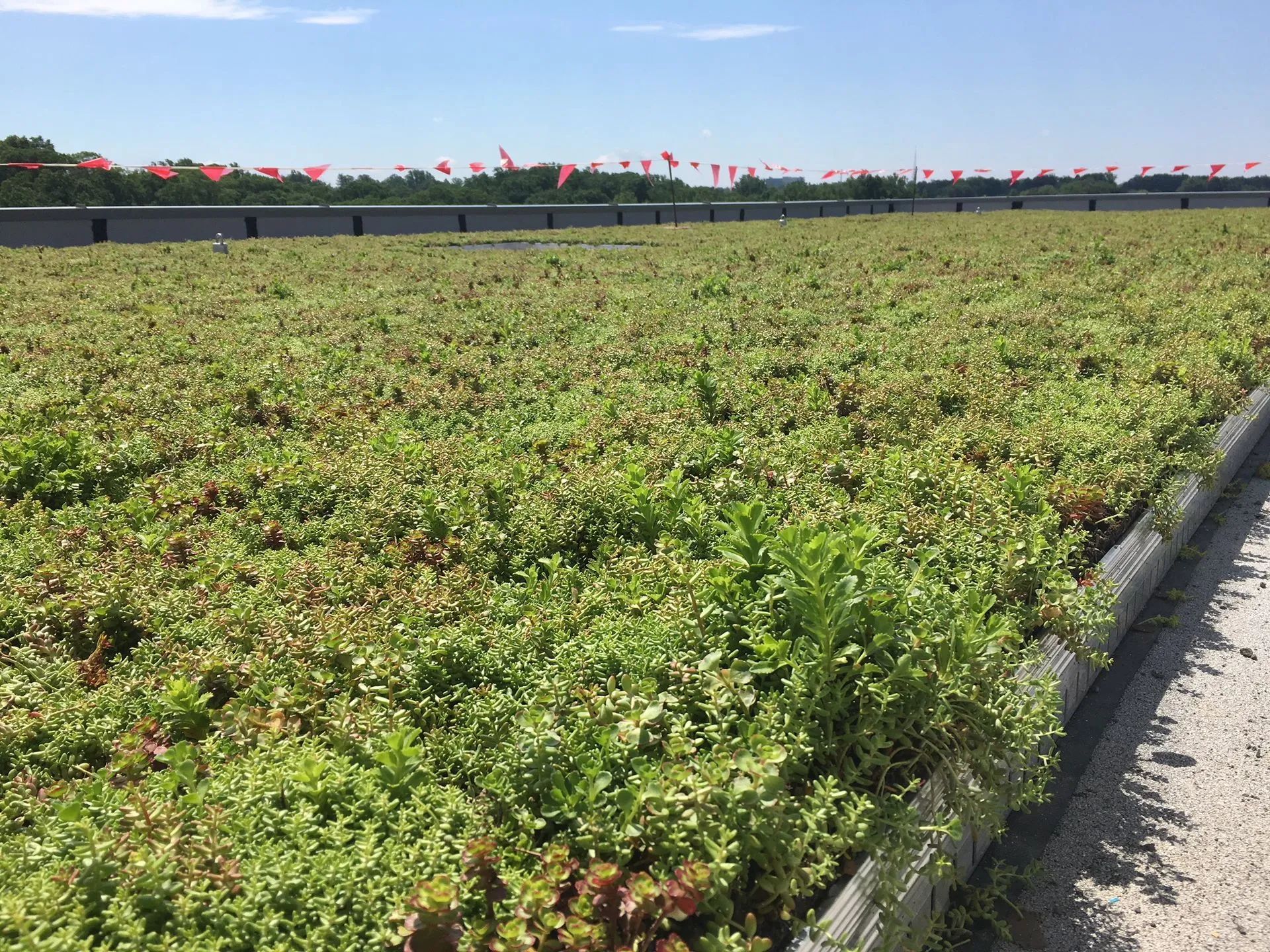
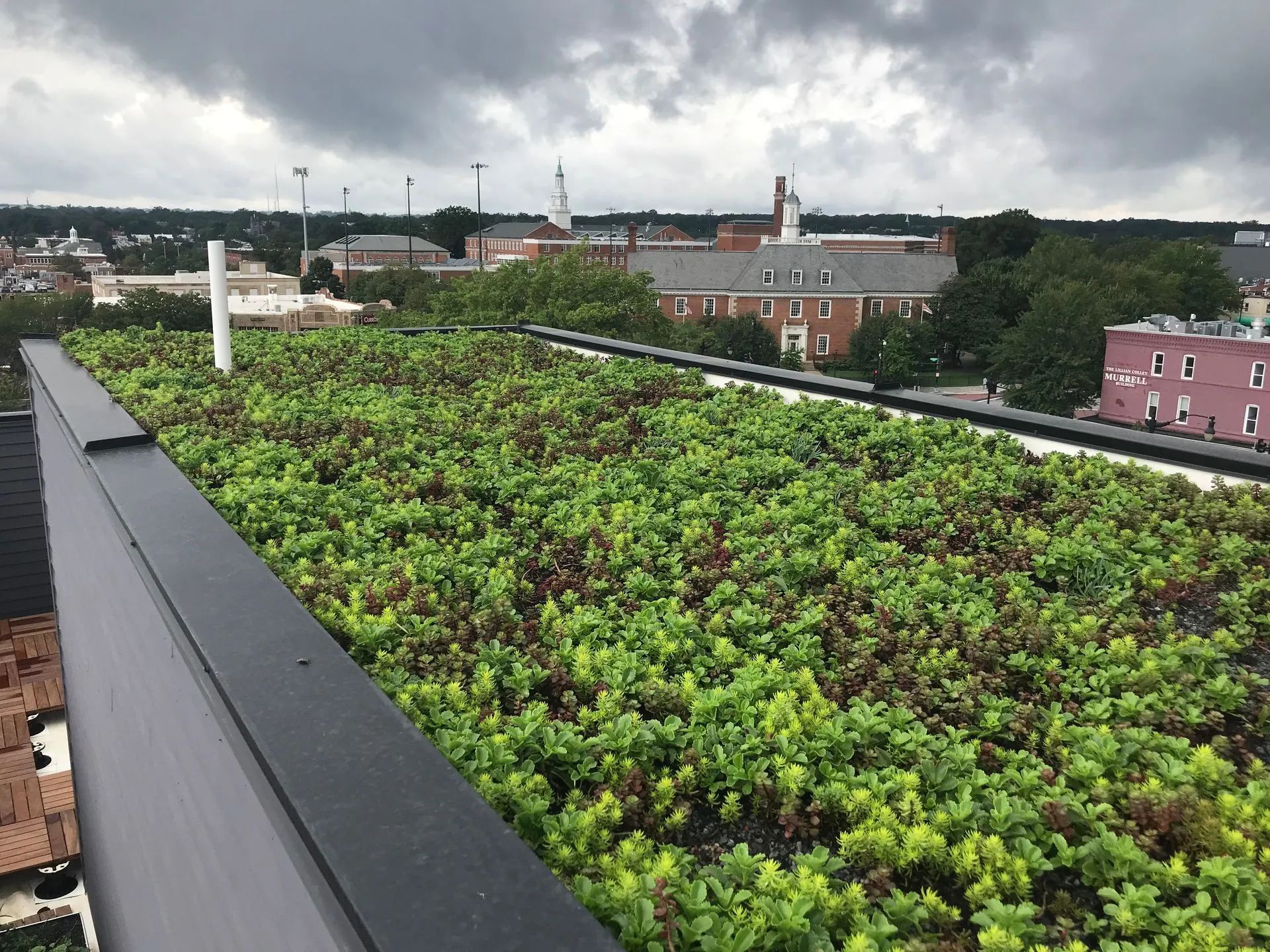
This is where a lot of property managers and HOA boards get uneasy for no real reason. Sedum-heavy extensive roofs commonly turn shades of red, orange, and deep bronze in fall as part of a completely normal seasonal color shift, the same mechanism that turns tree leaves color, and it isn't a sign of dying plants or drought damage. A roof that looked uniformly green in August and looks patchworked in red and green by late October is usually behaving exactly as it should.
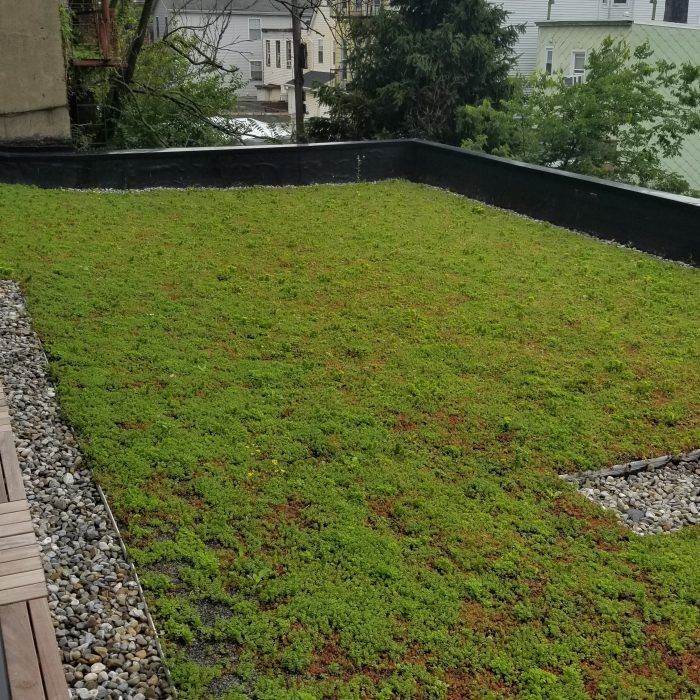
Real stress looks different. Actual dieback shows up as bare, gray-brown patches where nothing is growing at all, not color change but absence of plant material. Uneven coverage that's been thin since summer and hasn't filled back in is worth flagging for the following spring's planting plan rather than assumed to be normal fall behavior. The distinction matters because treating normal dormancy coloring as a problem leads to unnecessary intervention, while missing genuine bare patches means they carry into spring bigger than they needed to be.
Growing Medium, Bare Spots, and Erosion From a Summer of Storms
A Mid-Atlantic summer's convective storms move a surprising amount of growing medium around, especially on roofs with any slope or on newer installations where the media hasn't fully settled and knit together with root growth yet. Fall is a practical time to check for erosion channels near drains and roof edges, thin spots where media has washed away from around plant crowns, and any low areas where media has settled enough to hold water rather than shed it.
Topping off thin areas before winter matters because bare growing medium exposed through a full winter of freeze-thaw cycling erodes further and gives weeds an easier foothold once spring arrives. Addressing it in fall, while the material is still workable and plants in the affected area still have a few weeks of root activity left before full dormancy, gives new or supplemental media a better chance to settle in before winter.
Membrane, Flashing, and Seam Checks While Access Is Still Easy
The waterproofing membrane beneath a green roof is largely protected from direct weather by the growing medium and vegetation above it, but the exposed edges, flashing, parapet details, and roof penetrations aren't. A fall inspection is the point to walk those exposed transitions and look for anything that a summer of heat cycling and storm activity may have loosened, cracked, or separated.
This matters more heading into winter than at almost any other point in the year, because a small seam or flashing issue that goes unnoticed in October is about to sit under snow, ice, and repeated freeze-thaw expansion and contraction for months. Water that finds its way into a compromised seam and then freezes doesn't just sit there; freezing water expands, and that expansion can widen an existing gap or crack rather than leave it alone.
Warning: A seam or flashing issue caught in fall is typically a quick, contained repair. The same issue discovered in February, after several freeze-thaw cycles have had a chance to work on it, is often a larger and more disruptive fix, sometimes requiring access through snow or ice cover that adds real cost and delay to the repair itself.
Why This Belongs on an HOA Board's or Property Manager's Fall Checklist
For a commercial building owner, a fall green roof inspection fits alongside other pre-winter building maintenance, HVAC checks, gutter clearing, exterior envelope reviews, as a routine seasonal task. For an HOA board overseeing a multifamily property with a shared green roof amenity, it carries an added layer: the roof is common-element infrastructure that the board is responsible for documenting and maintaining on behalf of every owner in the association, and a clear fall condition record makes spring comparisons and any warranty or contractor conversations far easier than trying to reconstruct what changed over an entire winter from memory.
A documented fall inspection, with specific notes on drainage condition, irrigation status, plant coverage, and any membrane concerns, gives both property managers and HOA boards a concrete baseline. When spring arrives and the roof needs a condition assessment anyway, that fall record is what makes it possible to tell what's normal seasonal recovery and what's an actual new issue.
Frequently Asked Questions
When is the best time to schedule a fall green roof inspection in this region?
Late September through mid-October generally works well, ahead of the heaviest leaf drop and well before the region's typical first hard freeze, which usually lands between late October and mid-November.
How is a fall inspection different from a winter inspection?
A fall inspection happens while the roof is still fully accessible, focused on preparing it for dormancy: clearing drains, winterizing irrigation, and catching problems before winter locks them in for good.
Is red or bronze foliage in fall a sign my green roof is dying?
Not on its own. Many sedum species shift to red, orange, or bronze tones in fall, much like trees changing color. Real concern looks like bare, gray-brown patches with no plant growth.
What happens if leaves aren't cleared from a green roof before winter?
Leaf litter that isn't cleared mats down under rain and snow, damming drains and scuppers so water backs up instead of draining off the roof. Standing water that freezes adds weight and stress.
Can irrigation lines really freeze and crack if they aren't drained in fall?
Yes. Standing water left in exposed or shallow-buried irrigation lines can freeze and crack fittings or piping once temperatures drop. The damage often isn't found until the system runs again in spring.
Do HOAs need to formally document their fall green roof inspection?
There's no set standard, but a written condition record covering drainage, irrigation status, and plant coverage gives a board a clear baseline, useful for spring comparisons and any later contractor or warranty conversation.
Fall Inspections Set Up a Stronger Spring
A green roof doesn't stop needing attention once summer's heat and storms pass. It just needs a different kind of attention: clear drains, secured irrigation, and any developing issues addressed while the roof is still easy to reach and the weather still cooperates. Buildings that treat fall as a real inspection window, not something pushed off until "sometime before it gets cold," tend to come out of winter in noticeably better shape than those that wait until spring to find out what the season did to their roof.
Riverbend Greenroofs
has spent 35
years helping property managers and HOA boards across Washington, DC, Maryland, and Northern Virginia get their roofs ready for what winter brings. That experience shows up in the small things: knowing which drains clog first, which irrigation lines are most exposed, which membrane transitions wear fastest. A fall inspection done well doesn't just protect the roof for one season. It builds the kind of record that makes every spring conversation, and every winter after, a little easier to have.
Share this article