Green Roof Planning Guide for Maryland, DC, and Northern Virginia
February 26, 2026
1. Regulatory Landscape and Policy Considerations
Understanding Regional Stormwater Requirements
Maryland, DC, and Northern Virginia each maintain distinct stormwater management frameworks that directly affect green roof design. In Maryland, the Maryland Department of the Environment (MDE) emphasizes Environmental Site Design (ESD) practices that prioritize runoff reduction at the source. Washington, DC has aggressive stormwater retention requirements enforced through its Stormwater Management Regulations, while Virginia municipalities operate under the Virginia Stormwater Management Program (VSMP).
For architects and developers, this means green roof planning must begin with a thorough review of local retention volume requirements, runoff reduction credits, and permitting procedures. Early-year budgeting should include modeling for stormwater retention capacity and coordination with civil engineers to verify compliance. Failure to align green roof design with jurisdictional mandates can result in costly redesigns and delayed approvals.
Leveraging Incentives and Credits
Several regional programs offer financial incentives for green roof installations. Washington, DC provides rebates based on square footage, and certain Maryland counties offer fee reductions or expedited review processes for projects incorporating approved best management practices.
Municipalities planning public buildings should assess grant cycles early in the fiscal year. Developers pursuing LEED or other sustainability certifications can also integrate green roof planning into broader environmental strategies. Capturing available incentives requires advance documentation, application submissions, and verification processes. Early planning ensures these financial opportunities are not missed.
2. Budgeting and Financial Forecasting for Spring Installs
Cost Components to Account For
Accurate budgeting for green roof projects requires clarity on system components and associated costs. These typically include structural reinforcement (if required), waterproofing membranes, root barriers, drainage layers, engineered growing media, plant material, and irrigation systems where applicable.
Beyond installation, project teams must account for design fees, structural analysis, permitting, inspection, and long-term maintenance contracts. Early-year financial forecasting allows owners to incorporate these line items into capital expenditure planning. In many cases, green roofs can offset costs elsewhere by reducing the need for underground stormwater infrastructure or lowering energy consumption.
Life-Cycle Cost Analysis
Sophisticated stakeholders evaluate green roof investments through life-cycle cost analysis rather than upfront expenditure alone. Extensive and semi-intensive systems often extend roof membrane lifespan by protecting it from UV radiation and temperature extremes. Over time, this can reduce replacement frequency and associated labor costs.
Additionally, energy savings from improved insulation and evapotranspiration can decrease HVAC loads, particularly during peak summer months in the Mid-Atlantic. Municipal budget officers and private developers should request performance projections from qualified consultants to quantify these long-term benefits. Integrating life-cycle analysis into early-year planning strengthens funding approvals and stakeholder support.
3. Structural and Technical Design Integration
Load Calculations and Engineering Coordination
One of the most critical elements of green roof planning is structural analysis. Saturated soil weight, plant biomass, and potential snow loads must be evaluated against existing roof capacity. For retrofit projects, this may require reinforcement or design adjustments.
Early coordination between architects and structural engineers prevents conflicts during later design stages. By initiating load assessments in the first quarter, teams can incorporate necessary structural modifications into drawings and bid documents before construction schedules intensify in spring.
Waterproofing and Drainage Strategy
Green roof systems depend on high-performance waterproofing membranes and effective drainage design. In the Mid-Atlantic region, freeze-thaw cycles and heavy rainfall events make proper detailing essential. Root barriers, protection layers, and inspection chambers should be specified according to manufacturer guidelines and local code.
Designers must also ensure roof slopes direct excess water toward drainage outlets without compromising plant health. Integrating overflow scuppers and inspection access points enhances system resilience. Technical diligence during early planning reduces the risk of leaks, plant loss, and warranty disputes.
4. Climate-Responsive Plant Selection and System Design
Selecting Vegetation for the Mid-Atlantic Climate
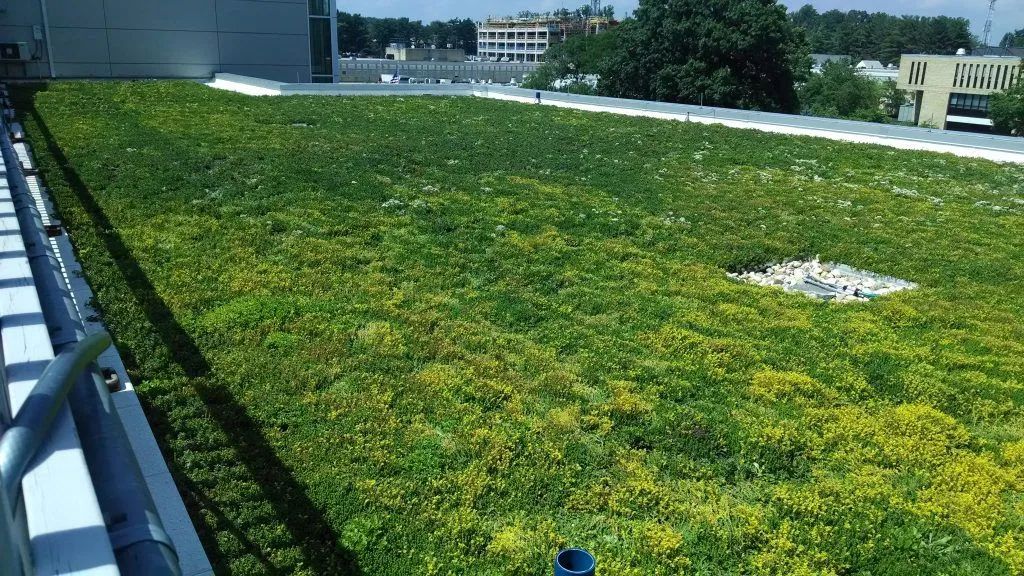
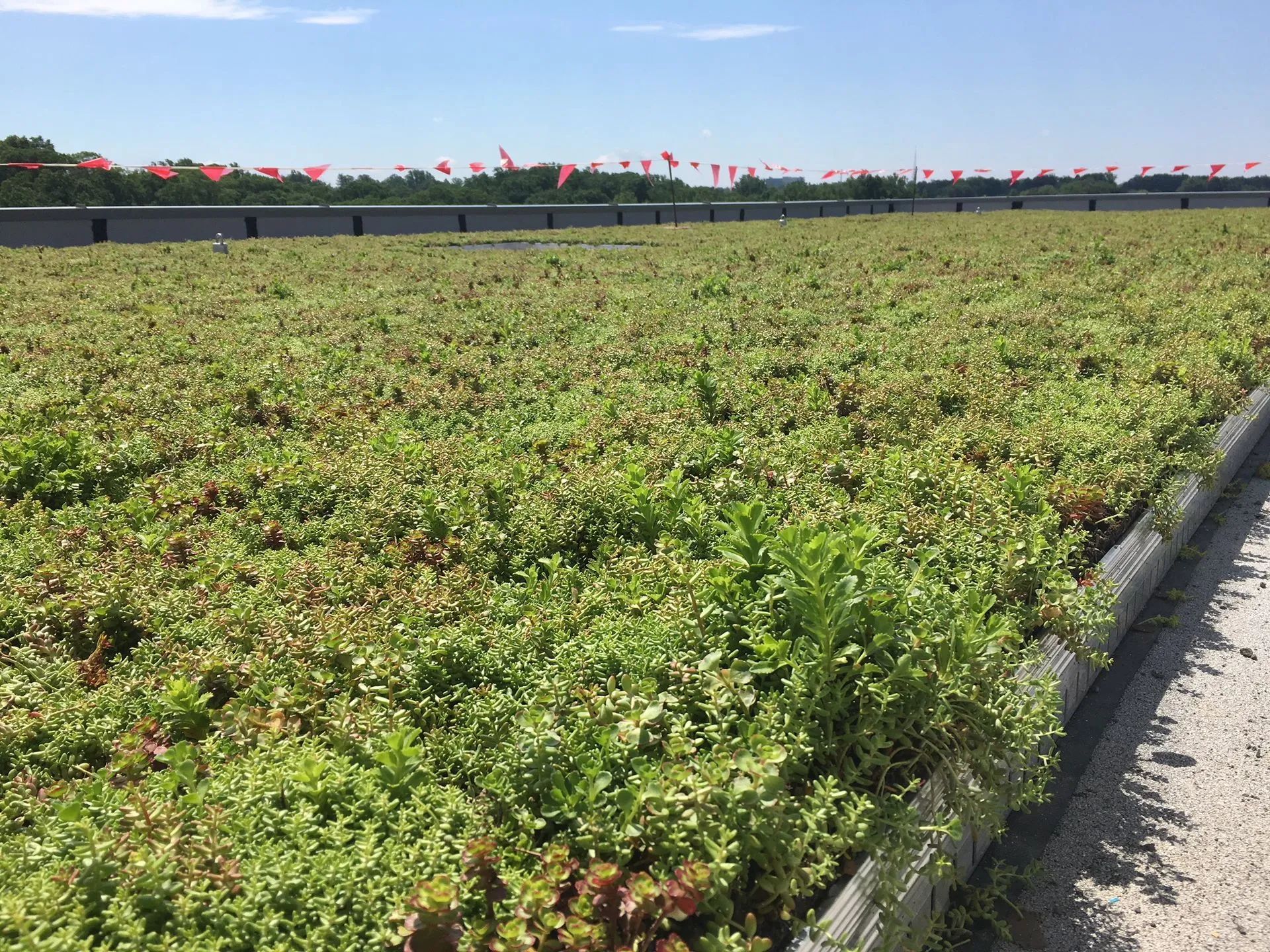
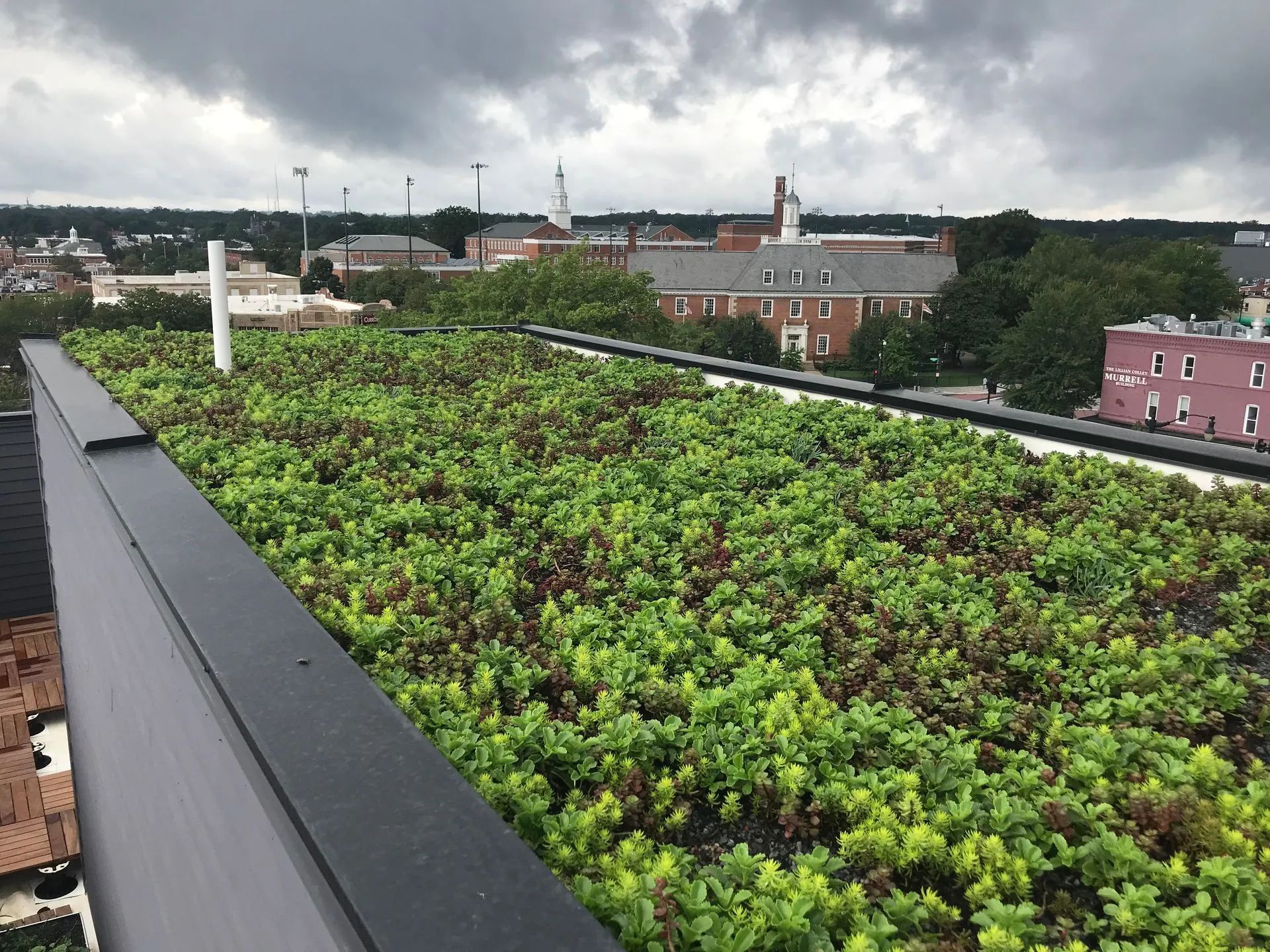
Maryland, DC, and Northern Virginia experience humid summers, variable winters, and occasional drought conditions. Plant selection must reflect this variability. Sedum species are common in extensive systems due to drought tolerance and low maintenance requirements. However, biodiversity goals may support incorporating native grasses, perennials, or pollinator-friendly species in semi-intensive systems.
Landscape architects should evaluate sun exposure, wind conditions, and irrigation availability when specifying plant palettes. Early-year planning allows nurseries adequate time to cultivate plant material for spring installation, avoiding substitutions that compromise design intent.
Designing for Performance Goals
Green roofs can be tailored to meet specific objectives such as stormwater retention, habitat creation, urban heat island mitigation, or rooftop amenity space. For example, a municipal building seeking maximum runoff reduction may prioritize deeper substrate and enhanced drainage layers. A private mixed-use development might emphasize aesthetic appeal and tenant access.
Clear performance metrics defined early in the planning process ensure system design aligns with project goals. Architects should document these objectives within specifications to guide contractors and maintenance providers.
5. Procurement, Scheduling, and Construction Coordination
Aligning Procurement with Spring Installation Windows
Spring is an optimal season for green roof installation in the Mid-Atlantic due to moderate temperatures and improved plant establishment rates. To meet this window, procurement must begin months in advance. This includes securing specialized contractors, ordering system components, and confirming plant availability.
Developers and municipalities should release bid packages early in the year, allowing sufficient time for contractor review and material lead times. Delayed procurement can push installation into peak summer heat, increasing irrigation demands and plant stress.
Coordinating Trades and Site Logistics
Green roof projects intersect with multiple trades, including roofing contractors, structural teams, landscapers, and irrigation specialists. Effective coordination minimizes conflicts and rework. Pre-installation meetings should clarify sequencing, inspection checkpoints, and quality control standards.
Real-world projects often encounter unexpected challenges such as membrane penetrations or mechanical equipment conflicts. Establishing clear communication channels and contingency budgets helps teams adapt without jeopardizing timelines. Early planning reduces reactive decision-making during peak construction periods.
6. Long-Term Maintenance and Asset Management
Establishing Maintenance Protocols
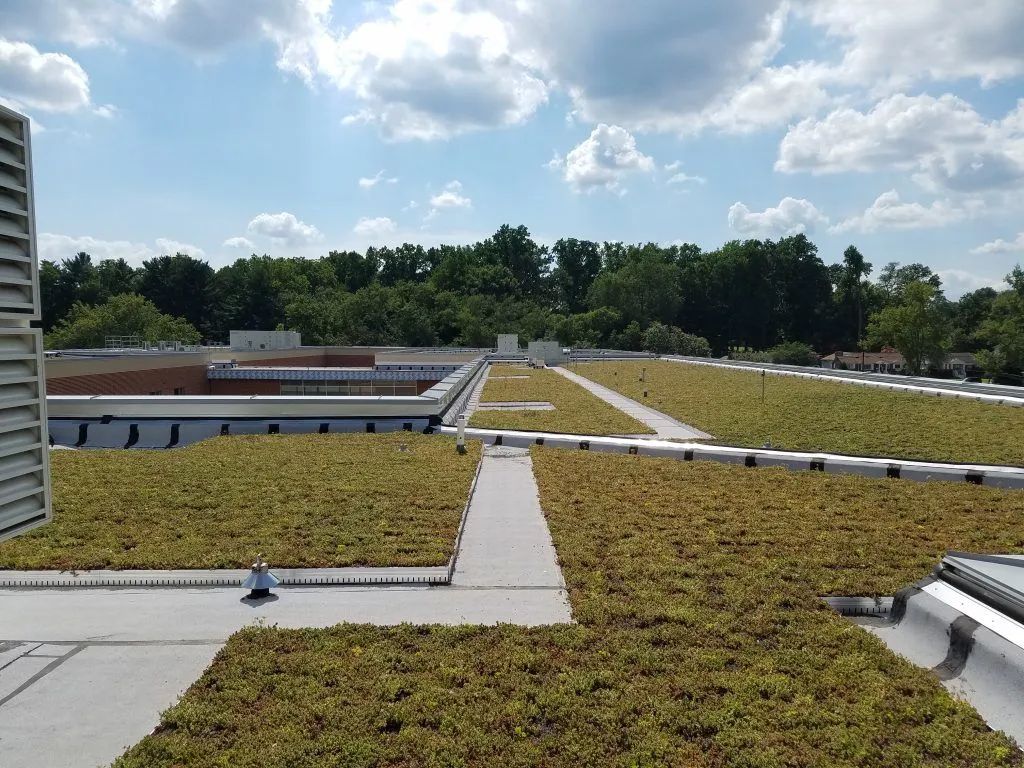
Green roofs are living systems that require structured maintenance to sustain performance. Tasks typically include seasonal inspections, weeding, irrigation adjustments, and drainage clearing. Municipalities and property managers should define maintenance scopes during the planning phase rather than after installation.
Including maintenance contracts in early-year budgets ensures continuity of care. Well-maintained green roofs maintain stormwater retention capacity and aesthetic value, supporting compliance and tenant satisfaction.
Monitoring and Performance Tracking
Advanced projects incorporate monitoring tools to measure runoff reduction, temperature moderation, and plant health. Data collection supports reporting requirements and validates environmental claims. For public entities, transparent performance tracking strengthens community trust and justifies continued investment in green infrastructure.
Asset management strategies should treat green roofs as infrastructure rather than decorative features. Documented inspection logs, warranty tracking, and scheduled system evaluations protect long-term returns. When planning begins early in the year, stakeholders can integrate monitoring frameworks into overall project documentation, ensuring measurable outcomes after spring installation.
Trusted Regional Authority in Green Roof Planning
Green roof planning in Maryland, Washington, DC, and Northern Virginia demands early coordination, regulatory insight, and disciplined budgeting. From understanding jurisdictional stormwater mandates to conducting structural analysis and life-cycle cost forecasting, each step influences project success. Climate-responsive plant selection, technical detailing, and proactive procurement are equally essential for meeting spring installation timelines. When architects, developers, and municipalities initiate planning in the first quarter, they reduce risk, capture incentives, and align sustainability goals with financial performance.
Green roofs are no longer optional enhancements; they are integral components of resilient urban development. Thoughtful planning transforms them into high-performing assets that manage runoff, improve energy efficiency, and enhance environmental value. The difference between a delayed, reactive project and a successful installation often comes down to how early and how thoroughly teams prepare.
Riverbend Greenroofs, a Custom-Grown Green Roofs specialist based in Gaithersburg, Maryland, brings 35
years of hands-on expertise to complex green roof planning and installation projects throughout the region. With deep knowledge of Mid-Atlantic regulatory frameworks, climate conditions, and structural integration requirements, the company partners with architects, developers, and municipalities to deliver systems that perform as designed. From early feasibility assessments and budgeting guidance to plant cultivation and long-term maintenance strategies, we approach every project with technical precision and accountability. Their commitment to custom-grown vegetation ensures plant material is tailored to regional conditions and project specifications, enhancing establishment success during spring installations. By combining decades of field experience with forward-thinking design collaboration, Riverbend Greenroofs
serves as a trusted authority for stakeholders seeking durable, compliant, and high-performing green roof solutions.
Share this article