Custom-Grown vs Pre-Grown Green Roofs: What Works Best in the DC Climate?
May 18, 2026
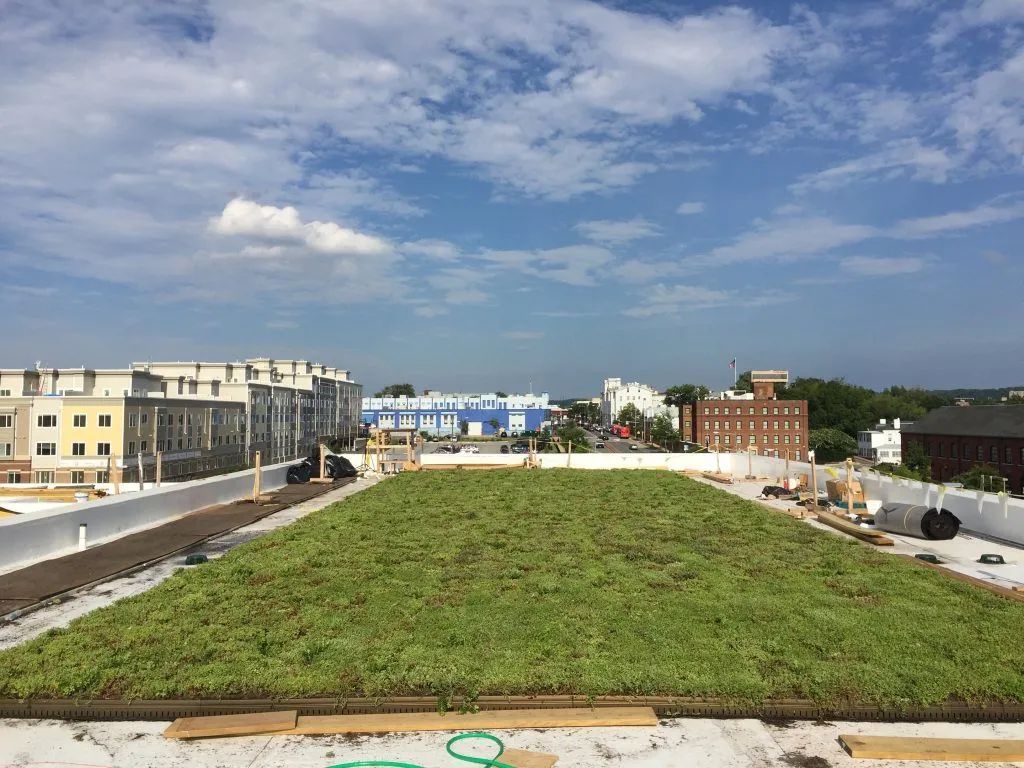
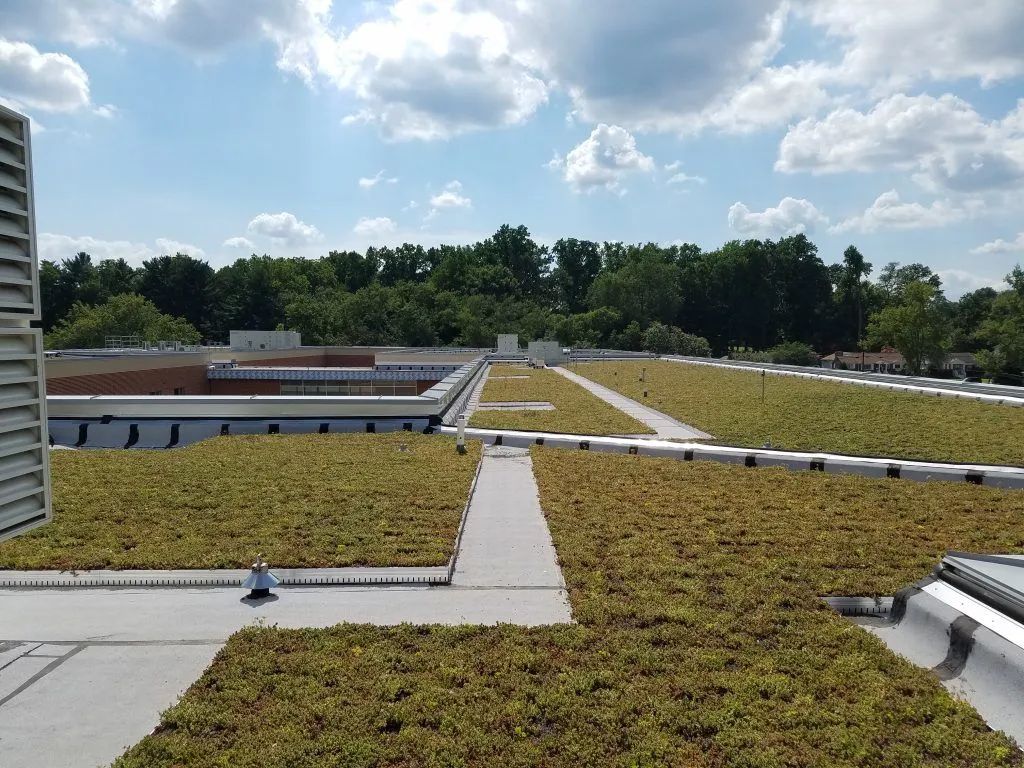
Green roofs are becoming a cornerstone of sustainable urban development, offering benefits that extend far beyond aesthetics. In cities like Washington, DC, where summer heat and urban runoff present unique environmental challenges, green roofs serve as natural insulators, reduce stormwater runoff, and improve air quality. They also enhance urban biodiversity, provide habitat for pollinators, and contribute to overall neighborhood livability. However, the decision between installing a pre-grown modular green roof versus a custom-grown system often leaves property owners weighing long-term performance against initial convenience. This choice is particularly critical in climates that experience wide seasonal fluctuations, intense summer heat, and occasional drought conditions, which can significantly affect plant survival and system longevity.
Understanding how different green roof systems adapt to these variables is essential for anyone seeking a resilient and thriving rooftop ecosystem. Pre-grown green roofs offer speed and uniformity, while custom-grown systems promise adaptability and long-term sustainability. Evaluating these options through the lens of local climate patterns, structural requirements, and ecological benefits ensures that every green roof installation delivers maximum value. Making the right choice not only protects the investment but also maximizes energy efficiency, stormwater management, and aesthetic appeal. This guide delves into the distinctions between custom-grown and pre-grown green roofs, examining the advantages, potential challenges, and best practices to make an informed choice that aligns with environmental goals, performance expectations, and the specific demands of the DC area.
Understanding Green Roof Systems
What Are Pre-Grown Green Roofs?
Pre-grown, or modular, green roofs consist of plant mats or trays cultivated offsite in controlled conditions. These modules are designed for rapid installation, allowing property owners to achieve immediate greenery without waiting for plants to establish naturally. Pre-grown systems typically include mature sedums, grasses, or herbaceous plants planted in uniform trays, which are then transported to the roof and placed directly onto prepared substrate layers.
Advantages of Pre-Grown Systems
- Quick Installation: The biggest draw of pre-grown systems is speed. Trays can be rolled out across rooftops within days, reducing labor costs and minimizing disruption to daily building operations.
- Visual Consistency: Pre-grown trays provide uniform coverage, creating a clean, polished appearance immediately upon installation.
- Predictable Growth: Plants are already established and generally show predictable survival rates, making performance easier to forecast in the first year.
Limitations of Pre-Grown Systems
- Limited Plant Diversity: Modular systems often rely on hardy, low-maintenance species that survive transport and installation, restricting biodiversity.
- Climate Adaptation Challenges: Pre-grown plants may be less acclimated to local DC weather extremes, particularly heat waves or sudden droughts, requiring careful irrigation management.
- Long-Term Resilience: Uniform trays can limit root expansion, potentially affecting long-term health and the ability to withstand environmental stressors.
What Are Custom-Grown Green Roofs?
Custom-grown green roofs are cultivated directly for the specific installation site, often starting with native plants that have been propagated to adapt to local soil, sun exposure, and rainfall patterns. This system allows for the creation of a living roof that evolves naturally with its environment, promoting resilience and ecological balance.
Advantages of Custom-Grown Systems
- Tailored Plant Selection: Plants are specifically chosen to thrive under local DC climate conditions, including variable rainfall, high summer temperatures, and occasional winter freezes.
- Enhanced Biodiversity: Custom systems allow for the integration of multiple plant species, attracting pollinators and supporting urban wildlife.
- Long-Term Sustainability: Root systems develop naturally, improving substrate stability and increasing drought tolerance over time.
Limitations of Custom-Grown Systems
- Longer Establishment Period: Custom-grown roofs require patience, as plants take time to mature and achieve full coverage.
- Higher Initial Planning Requirements: Site assessments, soil testing, and tailored plant selection increase upfront planning and consultation needs.
Climate Considerations in the DC Area
Seasonal Extremes and Their Impact
Washington, DC, experiences hot, humid summers and cold winters, which can stress rooftop vegetation. Summer temperatures frequently exceed 90°F, while winter lows can dip below freezing. These fluctuations challenge plant survival, particularly for species not adapted to both heat and frost. Custom-grown systems allow for species selection tailored to these conditions, enhancing resilience. Pre-grown systems may need supplemental irrigation or protection to survive extreme weather events.
Rainfall and Stormwater Management
DC receives an average of 40 inches of rainfall annually, with storms often arriving in short, intense bursts. Green roofs serve as natural stormwater management systems by absorbing rainwater and slowing runoff. Custom-grown roofs with deep-rooted native plants often handle large precipitation events better, while pre-grown systems may be more susceptible to tray displacement or substrate erosion under heavy rain.
Urban Heat Island Effect
Urban areas like DC retain heat due to concrete and asphalt surfaces, making green roofs critical for mitigating the urban heat island effect. Custom-grown roofs with dense, multi-species coverage provide superior thermal insulation and cooling benefits compared to uniform pre-grown trays, which may have gaps or thinner vegetation in early stages.
Installation and Maintenance Considerations
Installation Process Comparison
Pre-grown green roofs are modular, enabling rapid deployment. Installation generally involves:
- Preparing the roof substrate.
- Laying down a waterproof membrane and drainage layers.
- Rolling out pre-grown trays in a grid layout.
- Securing trays and initiating irrigation.
Custom-grown installations require a more hands-on approach:
- Conducting a detailed site survey, including light exposure, wind patterns, and structural load capacity.
- Preparing a substrate designed for long-term plant health.
- Selecting a mixture of native and climate-resilient species.
- Planting and nurturing vegetation on-site to allow natural root integration.
While pre-grown installations are faster, custom-grown roofs offer a more tailored, long-lasting solution.
Maintenance and Longevity
Pre-grown systems require monitoring for tray shifts, weed growth, and irrigation consistency, particularly in the first year. Over time, limited root expansion can reduce substrate stability.
Custom-grown systems, though requiring attentive care during establishment, develop strong root systems that enhance substrate integrity and reduce maintenance needs long-term. Periodic pruning, fertilization, and monitoring are sufficient once the system is mature.
Environmental and Ecological Benefits
Biodiversity and Ecosystem Services
Custom-grown roofs foster diverse ecosystems by incorporating multiple plant species. This diversity attracts pollinators, supports beneficial insects, and contributes to local wildlife habitats. Pre-grown systems, by contrast, often emphasize uniformity, which may limit ecological benefits.
Stormwater and Air Quality
Green roofs act as natural water filters, retaining rainfall and reducing stormwater runoff. Custom-grown systems with deep-rooted plants offer superior water absorption, particularly during heavy rains. Both system types improve air quality by capturing dust and absorbing pollutants, but custom-grown systems generally provide greater long-term efficacy due to plant adaptation and stronger root networks.
Energy Efficiency
Vegetation insulates buildings, reducing heating and cooling costs. Dense, site-specific plantings on custom-grown roofs optimize insulation, helping buildings remain cooler in summer and warmer in winter. Pre-grown systems can offer immediate energy benefits, but long-term performance depends on plant establishment and system maintenance.
Cost Considerations and Long-Term Value
Upfront Costs
Pre-grown green roofs are attractive for their rapid installation and lower initial labor costs. Modular trays can be installed in a fraction of the time, making them ideal for projects with tight deadlines.
Custom-grown roofs require more upfront planning, site-specific plant selection, and labor-intensive installation. Initial costs are higher, but the investment supports long-term resilience and reduced maintenance expenses.
Return on Investment
Custom-grown systems often provide better long-term ROI by enhancing roof longevity, reducing energy expenses, and minimizing stormwater fees. Mature root systems improve substrate stability, lowering repair costs over decades.
Pre-grown roofs can offer short-term visual appeal and immediate stormwater management benefits but may require more frequent replacement or repair in harsh climates.
Making the Right Choice for DC
Factors to Consider
When choosing between pre-grown and custom-grown systems in Washington, DC, consider:
- Climate Resilience: Extreme summer heat and cold winters favor native, adaptable species.
- Project Timeline: Pre-grown systems suit projects with tight deadlines, while custom-grown systems require patience for establishment.
- Budget vs. Long-Term Value: Short-term savings may be offset by higher maintenance costs in pre-grown roofs.
- Environmental Goals: Custom-grown roofs enhance biodiversity, energy efficiency, and stormwater absorption.
Expert Recommendation
For DC’s climate, a tailored approach usually yields the best outcomes. Custom-grown green roofs provide ecological, structural, and economic advantages that pre-grown modular systems struggle to match. While pre-grown options deliver immediate results, long-term resilience and performance often favor site-specific, custom-grown solutions designed to thrive under local conditions.
Trusted Craftsmanship for Sustainable Rooftop Ecosystems
Selecting the right green roof system in the DC area requires balancing immediate aesthetic appeal, climate adaptability, and long-term sustainability. Pre-grown green roofs offer speed and uniformity but may fall short in long-term resilience and ecological benefits. Custom-grown green roofs, while requiring a longer establishment period and more upfront planning, provide unmatched adaptability, biodiversity, and structural integrity. Understanding these differences ensures a rooftop installation that delivers measurable environmental, economic, and aesthetic benefits over decades.
At Riverbend Greenroofs
in Gaithersburg, Maryland, custom-grown solutions are designed specifically for the unique climate challenges of the Mid-Atlantic. With 35
years of experience in creating thriving, resilient green roofs, we provide a hands-on approach that prioritizes plant health, ecological balance, and long-term performance. From careful species selection to meticulous installation and maintenance, every project reflects our commitment to excellence. Partnering with us ensures a green roof that not only beautifies urban spaces but also maximizes stormwater management, energy efficiency, and environmental impact for years to come.
Share this article