Spring Is the Best Time to Install a Green Roof in the Mid-Atlantic
April 25, 2026
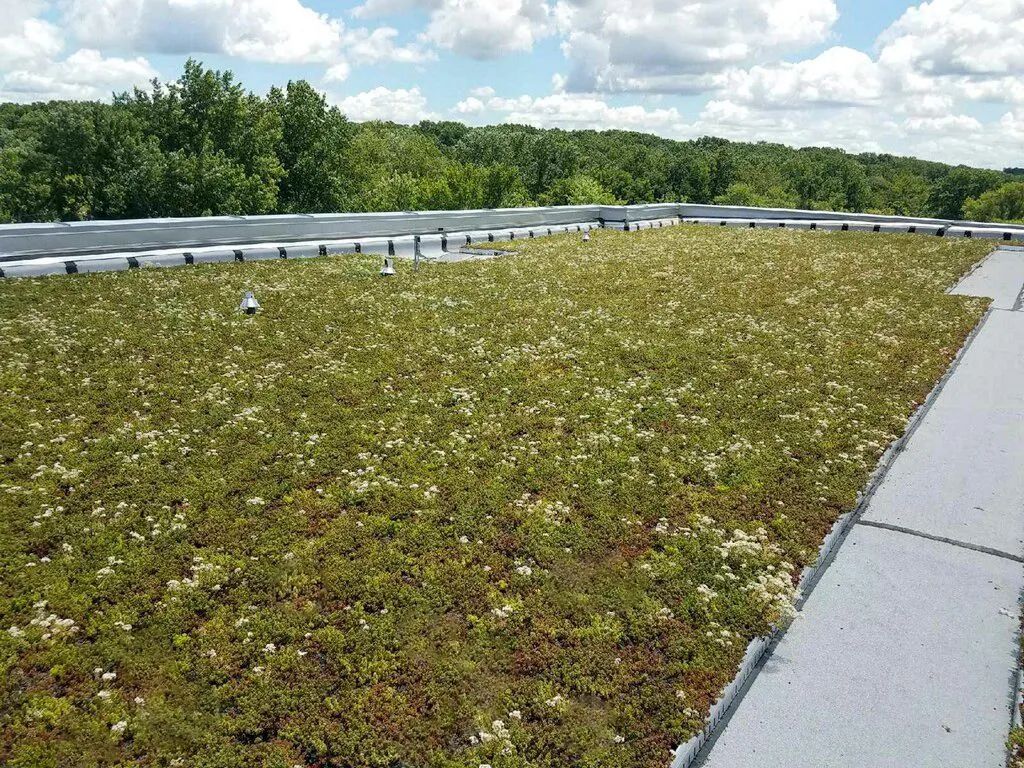
Spring is a season of renewal, growth, and transformation, making it the perfect time to invest in a green roof for properties across the Mid-Atlantic region. With milder temperatures, consistent rainfall, and longer daylight hours, spring offers optimal conditions for establishing healthy vegetation and strong root systems. Homeowners and commercial property owners looking to enhance energy efficiency, improve stormwater management, and increase property value can benefit immensely from planning green roof installations during this season. Early planning ensures plants establish roots before the intense summer heat, reducing maintenance requirements and maximizing the long-term performance of the green roof.
Beyond aesthetics and environmental benefits, green roofs provide tangible solutions to urban challenges, such as heat island effects, stormwater runoff, and air quality concerns. In the Mid-Atlantic, where seasonal shifts can be unpredictable, spring provides a reliable window to introduce resilient plantings capable of withstanding local climate variations. Proper timing of installation ensures plants thrive through the summer and into fall, creating a vibrant, sustainable rooftop landscape. By strategically choosing spring for installation, property owners can optimize both the functional and visual impact of a green roof, establishing a foundation for years of environmental and economic benefits.
Understanding Green Roofs and Their Benefits
What Is a Green Roof?
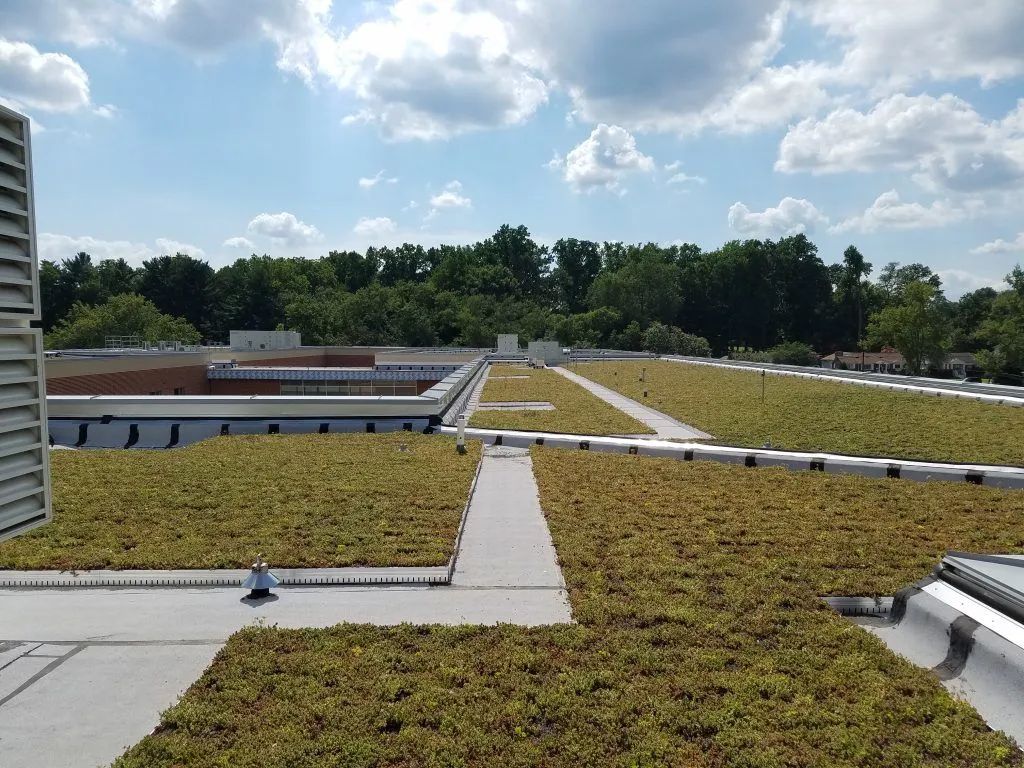
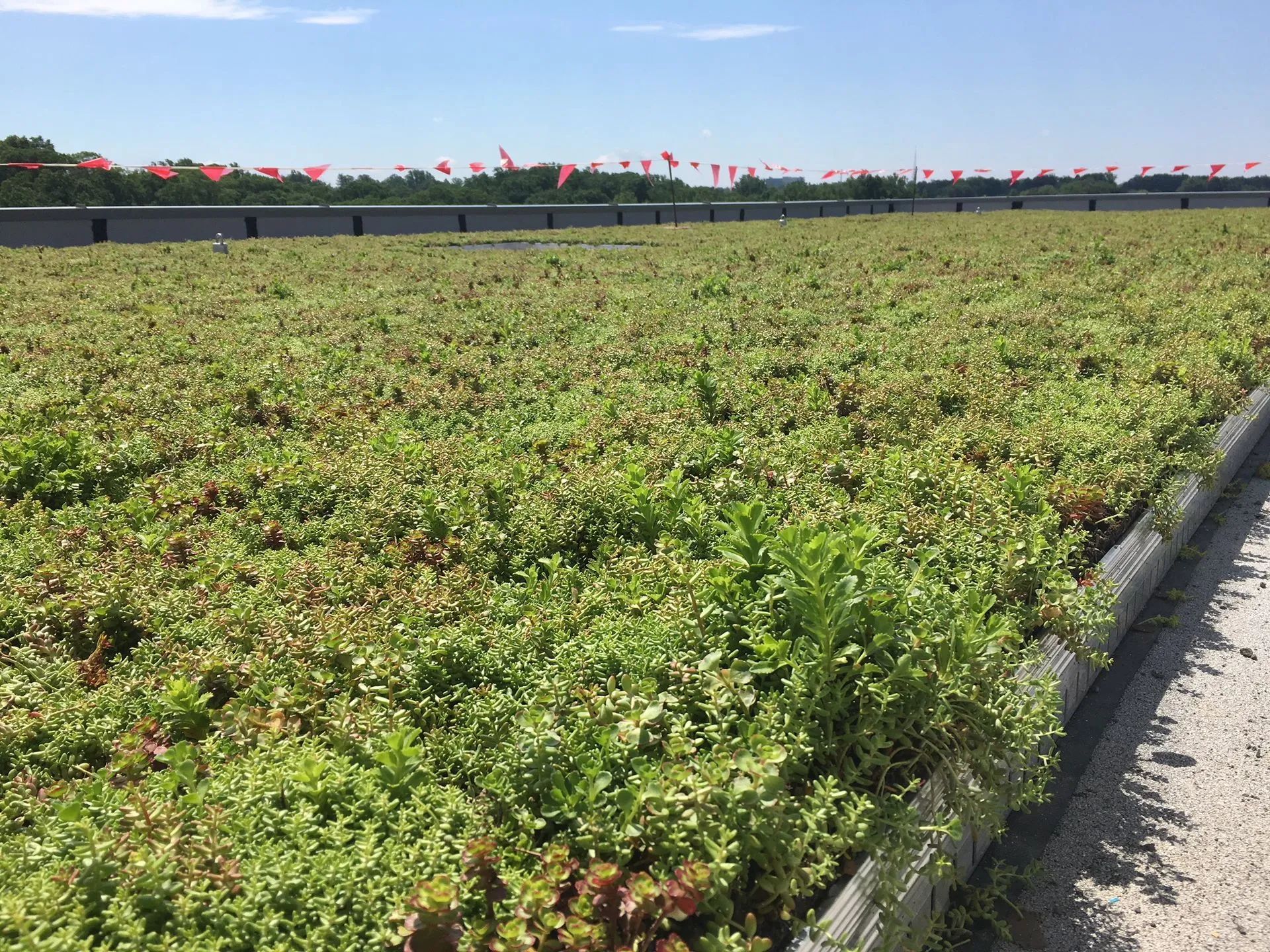
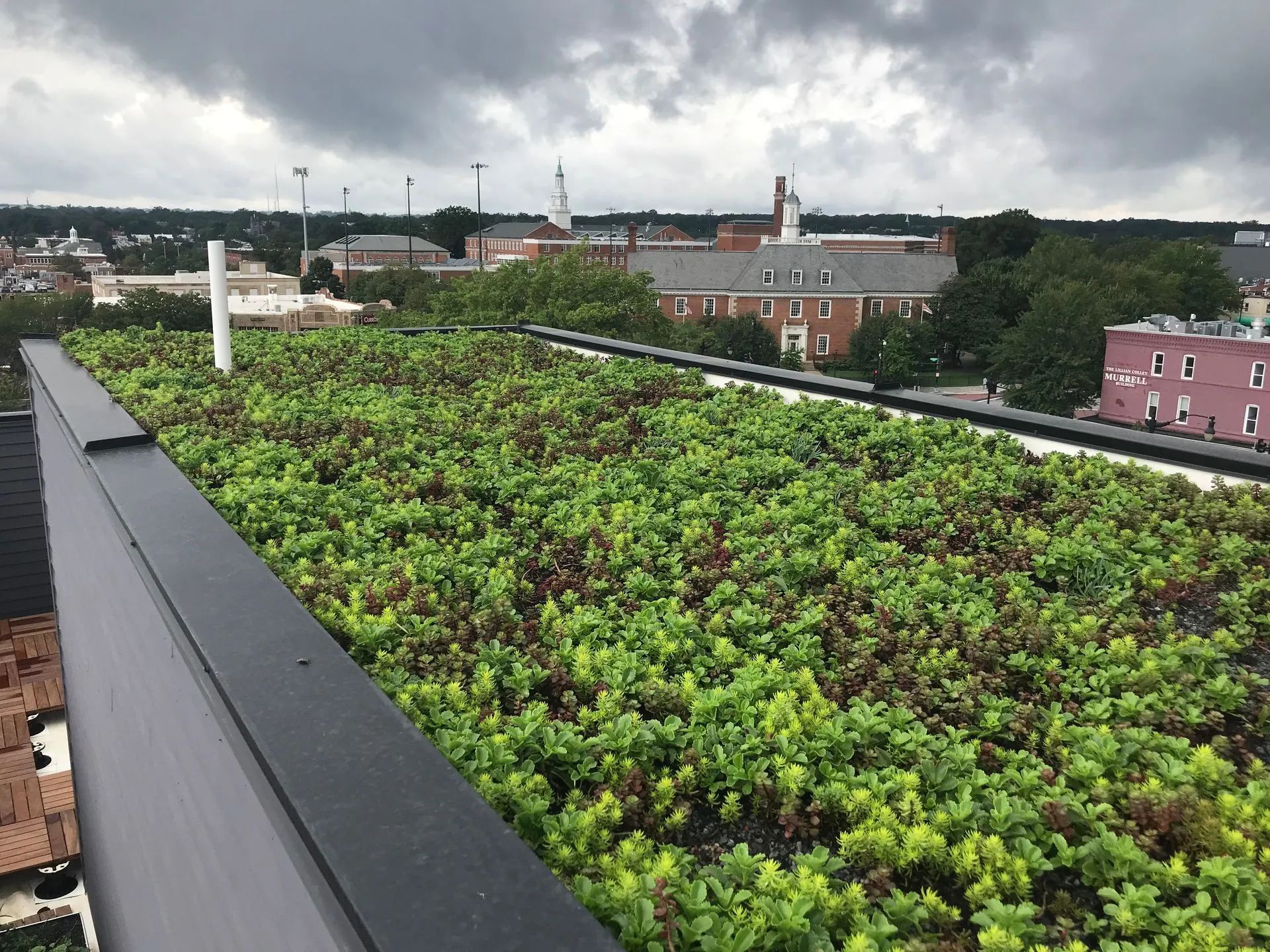
A green roof, also known as a living roof, integrates vegetation into a rooftop system using a combination of waterproof membranes, drainage layers, and soil substrates. These systems vary in design, ranging from extensive green roofs with low-maintenance sedums to intensive systems capable of supporting shrubs and small trees. Green roofs are engineered to survive local climate conditions while providing insulation, stormwater management, and habitat creation.
Environmental Benefits
Green roofs reduce stormwater runoff, which is a critical concern in urbanized Mid-Atlantic areas prone to heavy spring showers. Vegetation and soil absorb rainwater, slowing its flow into storm drains and reducing the risk of flooding. This absorption also improves water quality by filtering pollutants before they enter municipal systems.
Additionally, green roofs mitigate urban heat island effects by cooling the surrounding air through evapotranspiration. They also improve air quality by capturing dust and particulate matter, which is particularly beneficial in densely populated areas. Spring installations allow plants to develop root systems before hotter months, ensuring consistent environmental benefits throughout the year.
Economic and Practical Advantages
Investing in a green roof during spring increases property value and lowers energy costs. Vegetation provides natural insulation, reducing heating demands in winter and cooling needs in summer. Businesses and homeowners can see significant reductions in energy bills while extending the lifespan of roofing materials. Properly installed green roofs also reduce maintenance frequency, preventing premature wear and tear from fluctuating temperatures and heavy rainfall.
Spring Climate in the Mid-Atlantic
Temperature and Sunlight Conditions
Spring in the Mid-Atlantic features moderate temperatures typically ranging from 50°F to 70°F, creating an ideal environment for plant establishment. Cooler mornings and warm afternoons reduce heat stress on newly installed vegetation, allowing roots to anchor effectively in the substrate. Extended daylight hours support photosynthesis, encouraging robust plant growth before the summer season.
Precipitation Patterns
Mid-Atlantic spring sees an average rainfall of 3 to 4 inches per month, providing natural irrigation for newly installed green roofs. This consistent rainfall reduces the need for supplemental watering during the critical establishment phase. It also ensures soil remains moist without oversaturation, supporting healthy root development.
Seasonal Considerations for Plant Selection
Selecting plant species suited to spring conditions enhances long-term green roof success. Drought-tolerant perennials, native sedums, and low-growing grasses thrive in well-draining substrates while providing vibrant foliage. Spring planting allows these species to establish strong root systems before facing summer heat or potential late-season droughts.
By aligning green roof installation with the spring climate, property owners can leverage natural conditions to reduce maintenance, ensure plant survival, and maximize the environmental performance of the rooftop system.
Planning a Green Roof Installation in Spring
Site Assessment and Roof Evaluation
Before installation, evaluating structural capacity, drainage, and sun exposure is essential for long-term green roof performance. Green roofs add additional weight, and spring provides a clear window to assess roofing conditions after winter freeze-thaw cycles, ensuring structural integrity is uncompromised. Inspecting for leaks, structural weaknesses, and waterproofing issues thoroughly ensures the installation process proceeds smoothly and avoids future costly repairs.
Choosing the Right System
Extensive green roofs are ideal for low-maintenance installations, whereas intensive systems allow for diverse plantings and recreational use on rooftops. Spring provides sufficient time for root systems to adapt to either system before extreme summer conditions, enhancing plant survival and growth. Evaluating local climate, sun exposure, and seasonal wind patterns guides proper system selection, ensuring plants survive the seasonal weather variations of the Mid-Atlantic region reliably.
Soil and Plant Preparation
Spring allows for optimal preparation of soil substrates, ensuring nutrients are readily available for rapid plant establishment. Incorporating native Mid-Atlantic species ensures plants are adapted to local rainfall, temperature fluctuations, and seasonal sunlight patterns while resisting disease and environmental stress. Planting during spring maximizes the establishment window, reducing the risk of heat stress, water stress, and nutrient deficiencies later in the hotter summer months.
Scheduling and Installation Strategy
Coordinating installation early in spring ensures vegetation can establish before late spring storms or intense summer heat waves arrive. Staging materials and plantings in advance allows for continuous workflow and reduces the risk of weather-related delays or installation setbacks. Strategic scheduling also supports phased installations for larger projects, enabling proper care, oversight, and efficient allocation of resources during critical establishment periods.
Maintenance and Best Practices After Spring Installation
Watering and Irrigation
While spring rainfall often reduces irrigation needs, monitoring soil moisture ensures consistent root establishment and optimal plant growth. Newly planted green roofs may require supplemental watering during dry spells to prevent stress, encourage strong growth, and maintain vibrant foliage. Automated drip irrigation systems can provide efficient water delivery without oversaturation, reducing labor while promoting overall rooftop ecosystem health.
Fertilization and Soil Health
Spring installations benefit from nutrient-rich substrates to support rapid plant growth and long-term roof vitality. Fertilizing with slow-release organic blends provides essential nutrients without risking runoff into stormwater systems, helping preserve local water quality. Regular soil testing can optimize nutrient management and prevent deficiencies, ensuring green roof vegetation remains healthy, resilient, and visually appealing throughout the growing season.
Plant Care and Pruning
Maintaining plant health requires routine inspection for weeds, pests, and disease to prevent early damage or competition. Early detection in spring allows for corrective measures before issues escalate in summer and affect overall rooftop performance. Light pruning encourages dense growth, improves aesthetics, and reduces shading issues that may affect other plants on the roof, ultimately supporting a thriving and uniform vegetation layer.
Seasonal Adjustments
Spring installations should be monitored for emerging seasonal challenges such as late frosts, heavy rains, or unseasonably warm periods, which can stress young vegetation. Adjusting irrigation schedules, soil cover, and protective measures ensures the green roof remains resilient during transitional weather patterns. Regular inspections and preventative maintenance support optimal performance throughout the year, maximizing long-term structural and environmental benefits.
Overcoming Common Challenges in the Mid-Atlantic
Dealing with Spring Storms
Heavy spring rainfall can temporarily saturate substrates and dislodge newly planted vegetation if not properly managed. Installing effective drainage layers and erosion control measures during spring installation mitigates damage and supports plant establishment efficiently. Adequate planning for storm events ensures minimal disruption to vegetation, reduces soil loss, and preserves the long-term stability of the rooftop ecosystem.
Wildlife and Pests
The Mid-Atlantic is home to birds, insects, and small mammals that may interfere with young plantings during early establishment. Spring is the ideal time to implement protective measures such as mesh covers, natural repellents, and integrated pest management to reduce risks effectively. Timely interventions help maintain plant health, prevent infestation, and ensure strong root systems develop properly before summer activity increases.
Structural Limitations
Older buildings may require reinforcement to safely support the additional weight of a green roof system. Conducting structural assessments in spring allows for necessary retrofitting before summer heat, ensuring safety, long-term stability, and compliance with building codes. Addressing structural limitations early prevents costly delays or damage and ensures the rooftop can sustain extensive or intensive vegetation without risk.
Budget and Scheduling Constraints
Spring installation provides flexibility for phased budgets, project planning, and seasonal scheduling, allowing resource optimization. Planning ahead ensures funds are allocated efficiently, avoiding rushed decisions that could compromise system performance or plant survival. Well-timed scheduling also accommodates unforeseen weather changes, ensuring installation milestones are achieved with minimal disruption to property use and surrounding areas.
Specialists Delivering Resilient and Beautiful Green Roofs
At Riverbend Greenroofs in Gaithersburg, Maryland, over 35 years of expertise in custom-grown green roofs support the unique needs of Mid-Atlantic properties. With decades of hands-on experience, complex rooftop systems are designed and installed to deliver maximum environmental and economic benefits. Every installation is carefully tailored to local climate conditions, ensuring vegetation thrives through seasonal changes and extreme weather events.
Our commitment to quality, innovation, and sustainability ensures that each green roof not only enhances building performance but also contributes to healthier urban environments. From extensive low-maintenance systems to intensive green spaces capable of supporting diverse plantings, every project receives meticulous planning, precise installation, and long-term care guidance. Property owners working with Riverbend Greenroofs can trust that environmental objectives, aesthetic goals, and functional requirements are seamlessly integrated.
Choosing spring for installation allows full advantage of natural rainfall and moderate temperatures, ensuring strong root establishment and reduced maintenance. By partnering with us, property owners invest in sustainable, durable, and visually stunning green roofs backed by unparalleled expertise and decades of experience in the Mid-Atlantic region.
Share this article