How Green Roofs Help DC & Maryland Buildings Meet 2026 Stormwater & Sustainability Requirements

January 19, 2026

Across Washington DC, Maryland, and Northern Virginia, building owners, developers, and property managers are facing increasing pressure to comply with stormwater management and sustainability regulations. In 2026, those requirements become even more important as cities continue to tighten runoff limits, environmental impact standards, and green infrastructure mandates.


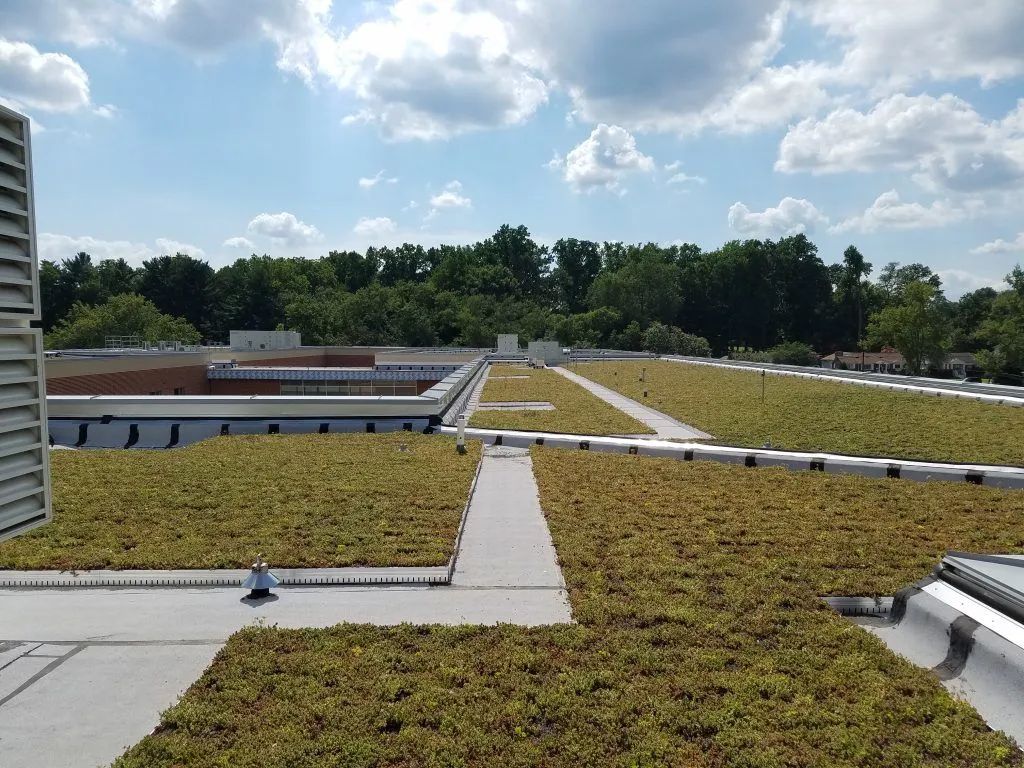
One of the most effective — and cost-efficient — ways to meet these requirements is through a properly designed green roof system. Green roofs do far more than add visual appeal. They function as high-performance stormwater management systems that help buildings stay compliant while reducing long-term operating costs.


This guide explains how green roofs directly support regulatory compliance in the DC Metro region and why they are quickly becoming a preferred solution for both new construction and retrofit projects.

Why Stormwater Regulations Are Getting Stricter

Urban development replaces natural ground with impervious surfaces like roofs, pavement, and concrete. That means rainwater no longer soaks into the soil — it rushes into storm drains, carrying pollutants into local waterways and increasing flood risk.


To combat this, DC, Maryland, and Virginia have implemented stormwater regulations that require buildings to manage and retain rainwater on-site. These rules affect:

  • New construction
  • Major renovations
  • Commercial properties
  • Multifamily housing
  • Institutional buildings


Failure to comply can lead to:

  • Permit delays
  • Expensive redesigns
  • Fines and penalties
  • Increased project costs


Green roofs are one of the most powerful tools available to meet these requirements.

How Green Roofs Manage Stormwater

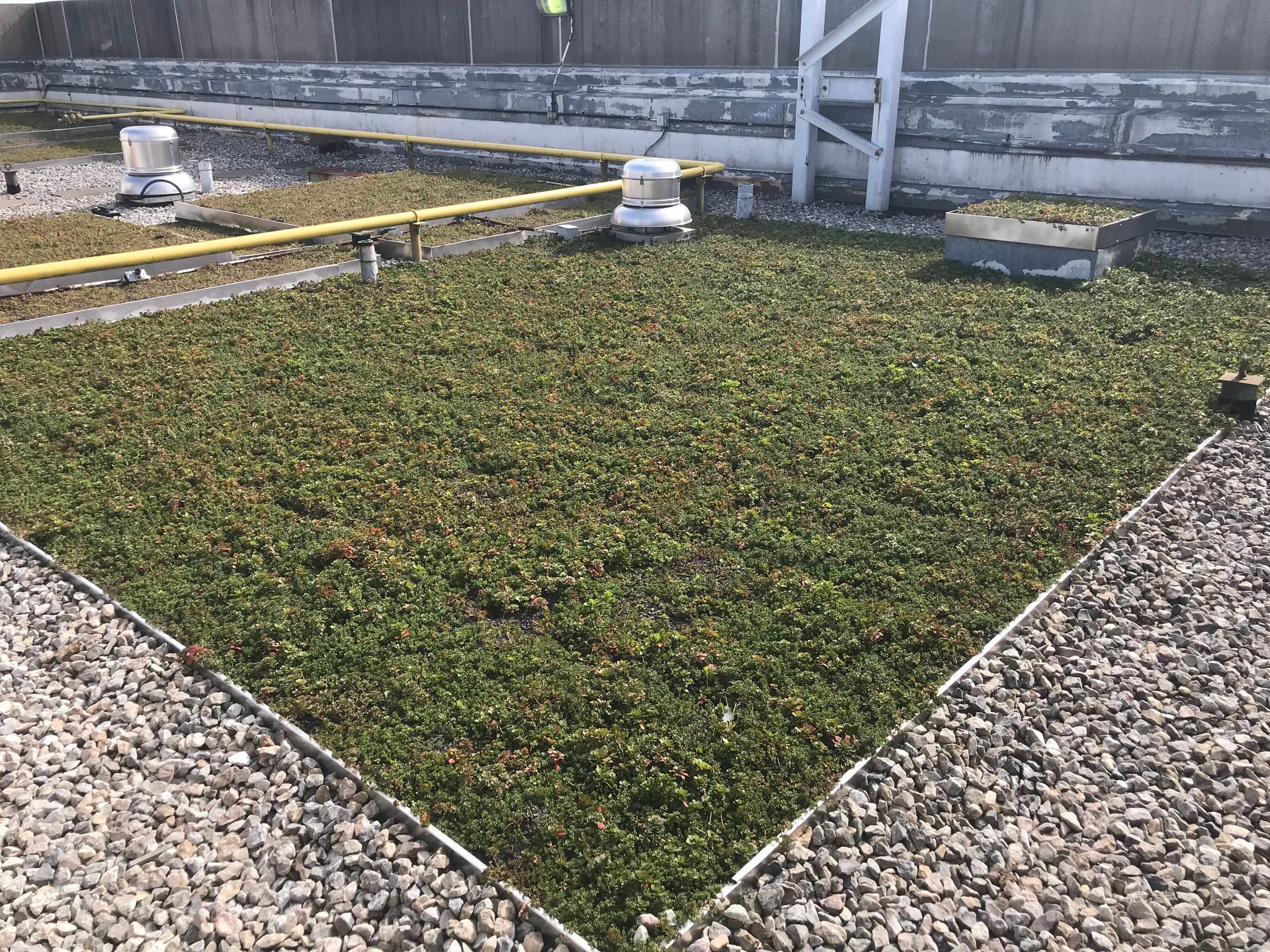
A green roof is a layered system designed to capture, store, and slowly release rainwater. It includes:

  • Vegetation
  • Growing media
  • Drainage layers
  • Filter fabrics
  • Waterproofing protection


When it rains, water is absorbed by the plants and soil instead of running directly into storm drains. Some of that water evaporates back into the atmosphere, and the rest is released gradually over time.


This dramatically reduces:

  • Total runoff volume
  • Peak flow rates
  • Pressure on municipal drainage systems


In many cases, a green roof can retain 50–80% of annual rainfall, depending on system design and media depth.

Why This Matters for DC, Maryland & Virginia Compliance

Local jurisdictions in the Mid-Atlantic require new buildings to meet strict runoff and retention thresholds. Green roofs help achieve these benchmarks without needing large underground detention systems or oversized stormwater tanks.


In urban areas where space is limited, green roofs are often the most practical and cost-effective way to meet stormwater requirements.


They also allow developers to:

  • Maximize usable building space
  • Reduce land dedicated to stormwater infrastructure
  • Increase project approval speed

Green Roofs and Sustainability Requirements

Beyond stormwater, many DC-area buildings must also meet sustainability and environmental performance standards. These include energy efficiency, urban heat reduction, and environmental impact scoring.


Green roofs contribute to:

  • Lower roof surface temperatures
  • Reduced cooling loads
  • Improved insulation
  • Extended roof membrane life
  • Improved air quality


These benefits help buildings meet green building standards and sustainability goals while lowering operating costs.

How Custom-Grown Green Roofs Improve Compliance

Not all green roofs perform the same. Custom-grown systems are specifically designed for the local climate, roof exposure, and regulatory goals of the project.


In the DC Metro region, this is especially important due to:

  • Hot, humid summers
  • Heavy rain events
  • Freeze-thaw winters
  • High wind exposure


A custom-grown green roof uses plant varieties and growing media that thrive in these conditions, ensuring long-term performance and stormwater retention.

Why Maintenance Is Critical for Ongoing Compliance

A green roof only provides regulatory benefits if it is maintained properly. Over time, drains can clog, media can compact, and plants can thin out — reducing stormwater performance.


Regular maintenance ensures:

  • Drainage pathways stay open
  • Media remains evenly distributed
  • Plants remain healthy and dense
  • Retention capacity remains high


This is especially important for buildings that rely on their green roof to meet stormwater permits.

Green Roofs as a Long-Term Investment

Unlike traditional stormwater infrastructure, green roofs improve over time as plants mature and root systems deepen. This increases water retention, cooling performance, and system stability.

They also protect the underlying roof membrane from UV exposure and temperature extremes, often doubling or tripling its lifespan.


That means green roofs don’t just help meet regulations — they reduce total lifecycle costs.

Why Experience Matters

Designing a green roof that meets regulatory performance requires deep horticultural and technical expertise. With more than 35 years of experience and over 1.6 million square feet of green roofs completed, Riverbend Greenroofs understands how to build systems that perform reliably in the Mid-Atlantic climate.


From system design to installation, maintenance, and remediation, every layer must work together to meet both environmental and regulatory goals.

Preparing for 2026 Starts Now

As stormwater and sustainability requirements continue to tighten, green roofs will only become more valuable. Buildings that plan ahead will avoid costly retrofits, compliance issues, and missed incentives.


If you own or manage a building in Washington DC, Maryland, or Northern Virginia, now is the time to evaluate how a green roof can support your long-term compliance and performance goals.

Check out Our Recent Blogs

Flat rooftop with green vegetation mats, white walkways, and a blue sky with clouds.
September 10, 2026
Schedule fall inspections for your green roof to prevent winter issues. Contact us for proactive maintenance today!
Wide green crop field with a gravel road at right and pink flowers along the distant horizon
August 30, 2026
Regular green roof maintenance is vital in humid summers. Ensure plant health & drainage. Contact us for expert care!
Rooftop garden with lush green plants on a building under cloudy skies in a cityscape.
July 21, 2026
Learn how green roofs stay cooler during heatwaves & their impact on building temperature. Contact Riverbend Greenroofs for more info!
Green rooftop garden with mossy grass, black edging, and a view of nearby houses and trees
June 30, 2026
Learn how green roofs can cut cooling costs for buildings. Contact Riverbend Greenroofs for eco-friendly solutions today!
Rooftop garden with green grass under a partly cloudy sky, surrounded by low buildings.
May 18, 2026
Green roofs are becoming a cornerstone of sustainable urban development, offering benefits that extend far beyond aesthetics. In cities like Washington, DC, where summer heat and urban runoff present unique environmental challenges,
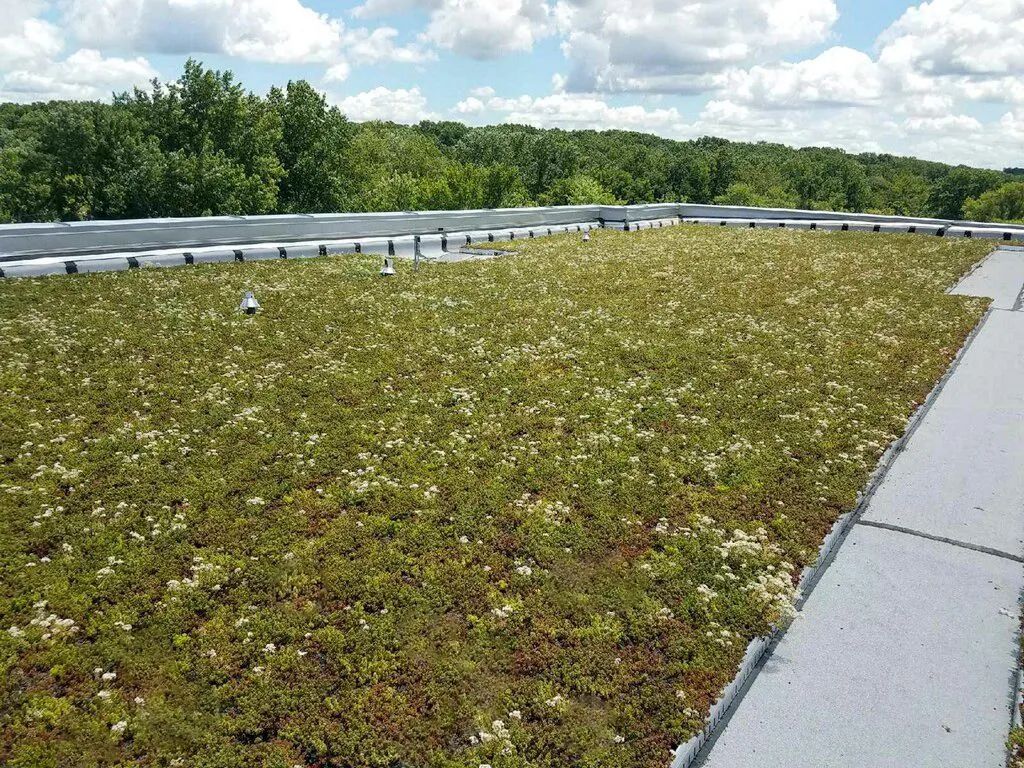
Green rooftop with low plants and a gravel path under a cloudy sky
April 25, 2026
Spring is a season of renewal, growth, and transformation, making it the perfect time to invest in a green roof for properties across the Mid-Atlantic region. With milder temperatures, consistent rainfall, and longer daylight hours,
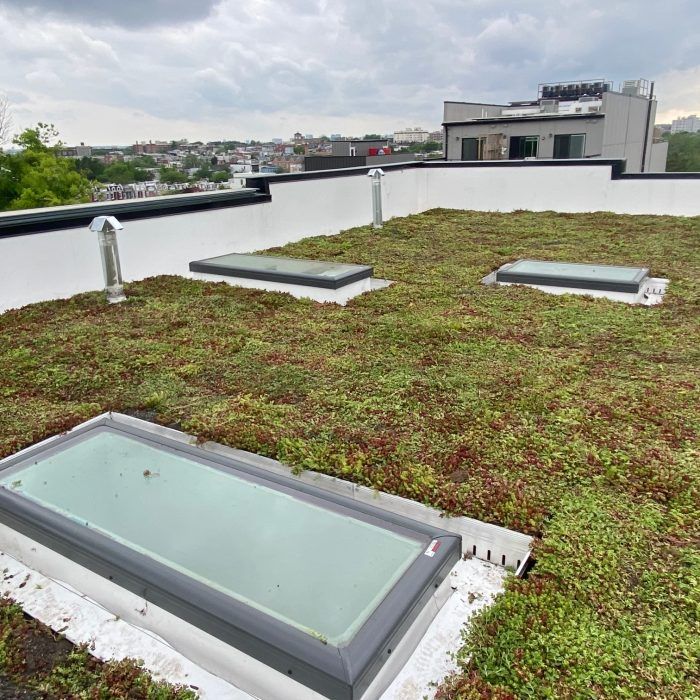
A green roof with low-lying plants, featuring three skylights and two silver ventilation pipes under a cloudy sky.
March 20, 2026
Urban development in Washington, D.C., and Maryland faces growing challenges related to stormwater management.
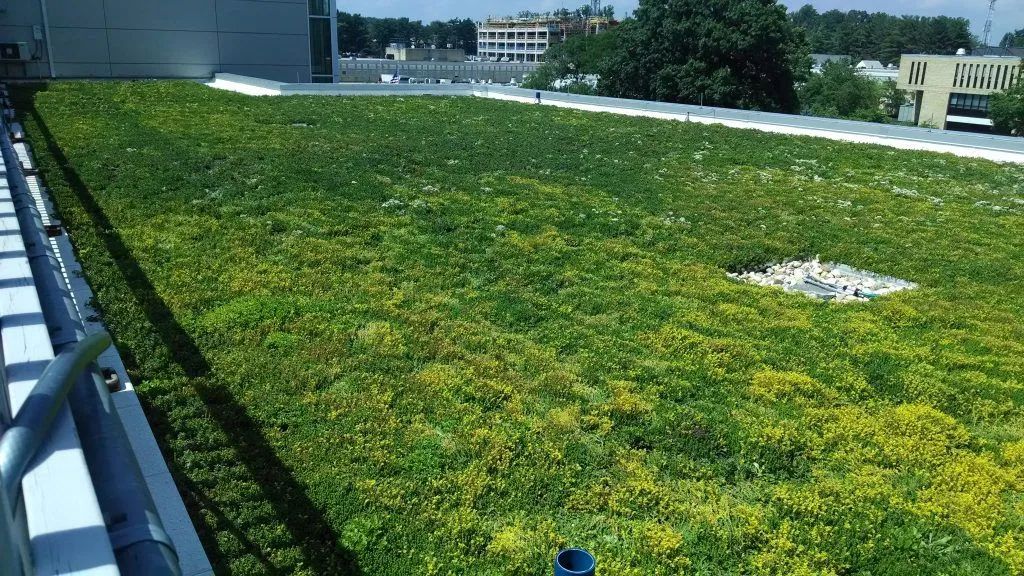
Green roof on a building with various shades of green plants and a white border.
February 26, 2026
Green roof planning across Maryland, Washington, DC, and Northern Virginia requires more than design inspiration. It demands early coordination, regulatory awareness, and strategic budgeting aligned with spring installation schedules.
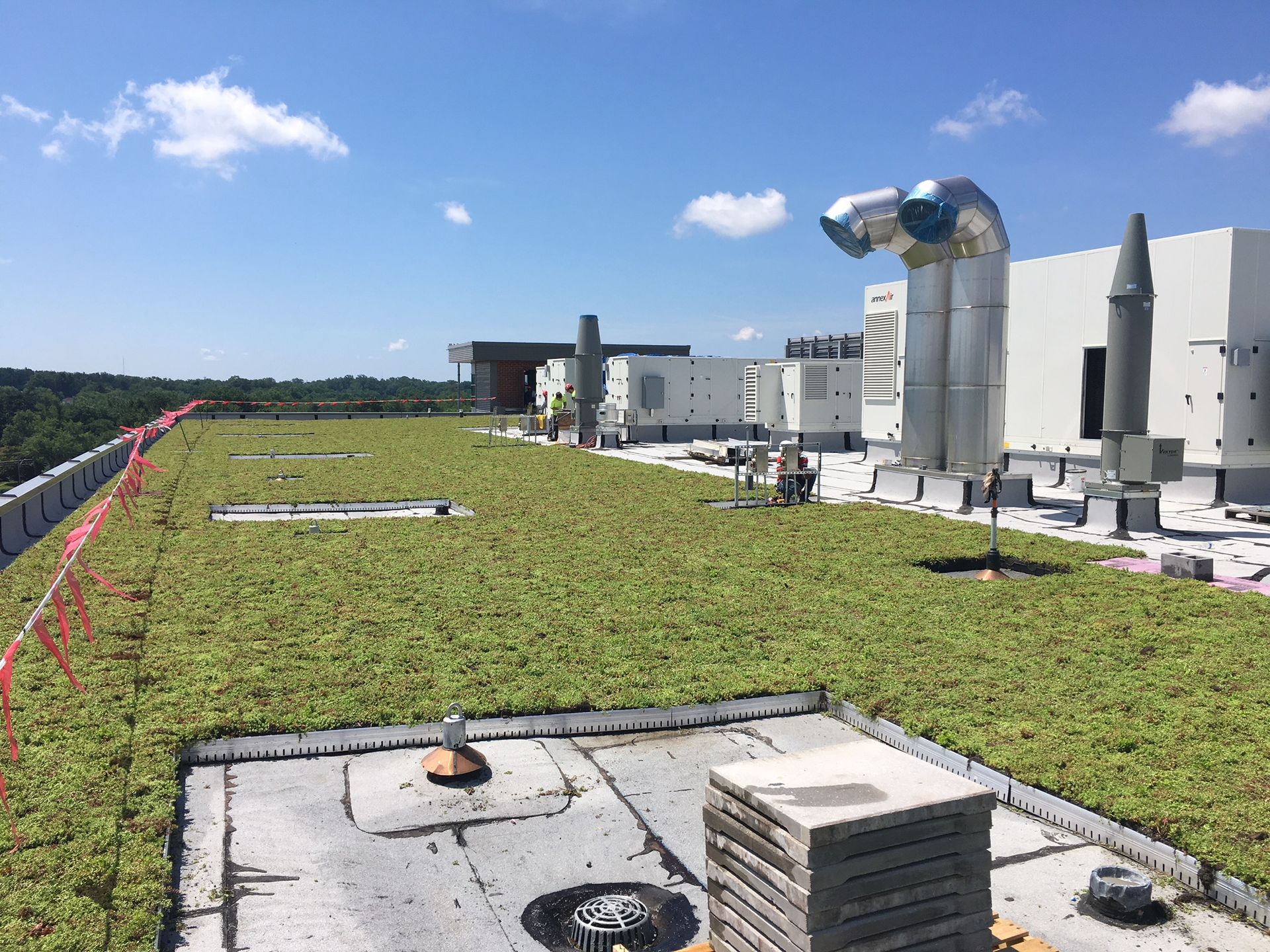
Green roof on a building with ventilation equipment and a cloudy sky.
January 19, 2026
Winter is the most critical — and most overlooked — season for green roof performance in the Mid-Atlantic. While green roofs are engineered to withstand extreme weather, freezing temperatures, heavy rain, snow, and rapid thaw cycles can quietly create problems that don’t become visible until spring. For building owners
Flat rooftop with green vegetation mats, white walkways, and a blue sky with clouds.
September 10, 2026
Schedule fall inspections for your green roof to prevent winter issues. Contact us for proactive maintenance today!
Wide green crop field with a gravel road at right and pink flowers along the distant horizon
August 30, 2026
Regular green roof maintenance is vital in humid summers. Ensure plant health & drainage. Contact us for expert care!
Rooftop garden with lush green plants on a building under cloudy skies in a cityscape.
July 21, 2026
Learn how green roofs stay cooler during heatwaves & their impact on building temperature. Contact Riverbend Greenroofs for more info!
Flat rooftop with green vegetation mats, white walkways, and a blue sky with clouds.
September 10, 2026
Schedule fall inspections for your green roof to prevent winter issues. Contact us for proactive maintenance today!
Wide green crop field with a gravel road at right and pink flowers along the distant horizon
August 30, 2026
Regular green roof maintenance is vital in humid summers. Ensure plant health & drainage. Contact us for expert care!
Rooftop garden with lush green plants on a building under cloudy skies in a cityscape.
July 21, 2026
Learn how green roofs stay cooler during heatwaves & their impact on building temperature. Contact Riverbend Greenroofs for more info!

Share this article